Strait of Hormuz - from tanker attack to the pump
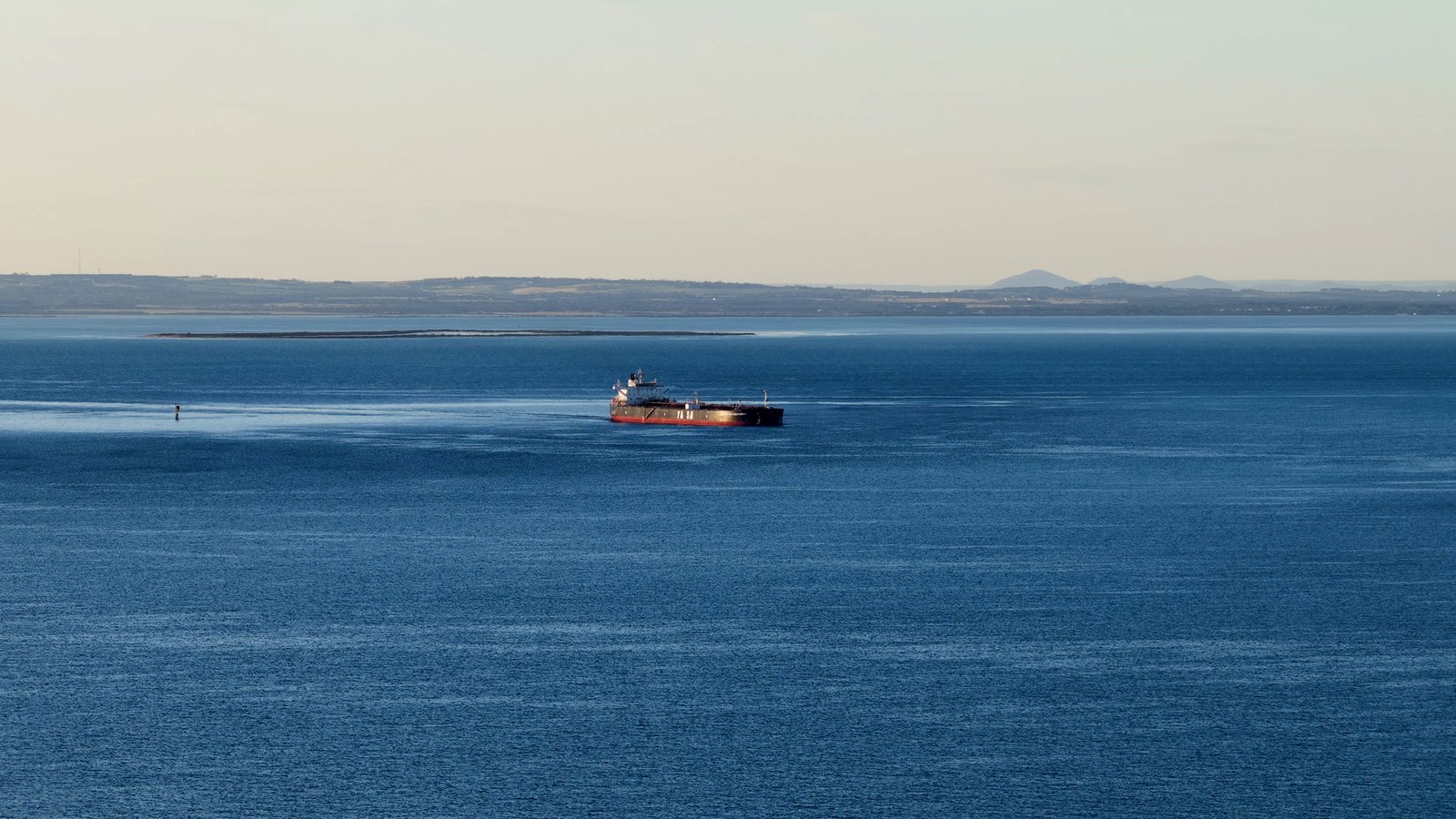
A record number of oil tankers have come under attack in the Strait of Hormuz in recent weeks. The strait carries about a fifth of the world’s oil supply, but transit has fallen to roughly two thirds of its normal level. Brent crude climbed to just under 110 dollars a barrel on Saturday. At the Belgian pump, you barely notice that today. Here is how the chain works.
What is happening
Between 28 September and 4 October at least ten tankers were struck in the Strait of Hormuz, and the number of attacks stayed high the following week. The war between Iran and the United States and Israel, running since February, is halting Iranian oil exports and making the passage risky. On some days only a handful of tankers pass through, the lowest in months. The market is reacting: Brent climbed to nearly 110 dollars a barrel last week.
How the price travels to Belgium
The Belgian maximum price is calculated every working day by FPS Economy. The basis is the international quote for finished products on the Rotterdam market, converted to euros at the European Central Bank rate. Excise duties, the distribution margin and VAT come on top. That international quote moves every day. The Belgian maximum price does not.
Why the pump reacts slowly
There are three reasons. First, the price only changes once the movement in the quote is large enough to cross a threshold. Second, FPS Economy smooths sharp spikes with a twenty-day moving average. Third, the calculation only happens on working days: Sunday and Monday simply carry Saturday’s price. A spike in the world oil price therefore lands in steps, not in one go.
Where Belgium stands now
Diesel B7 has cost a maximum of 2.4440 euros per litre since 17 October, after the price jumped ten cents on 10 October to 2.492 euros. Petrol 95 E10 has stood at 2.0640 euros since 15 October and E5 at 2.1210 euros, nearly flat. The upward pressure from the oil price is real, but after the diesel rise of 17 October the threshold is high. A new step only follows if quotes stay higher for long enough.
Conclusion
The world market says “up”, but the Belgian maximum price follows in steps and with a delay. We track the official list and report every change as soon as FPS Economy applies it.
Source: FPS Economy - Maximum prices, NRC - Attacks on oil tankers in the Persian Gulf, CNN - Oil prices jump amid record tanker attacks in Hormuz.